How to Book a Temple Stay in Korea (Even Without Korean Skills)
How to Book a Temple Stay in Korea: The Foreigner's Guide
I'll be honest — when I first arrived in Seoul three years ago, the idea of a temple stay (templestay, 템플스테이) seemed impossibly complicated. How would I communicate? Would they even accept foreigners? Turns out, it's way easier than I thought, and I've done it twice now. Let me walk you through it.
Why You Should Actually Do This
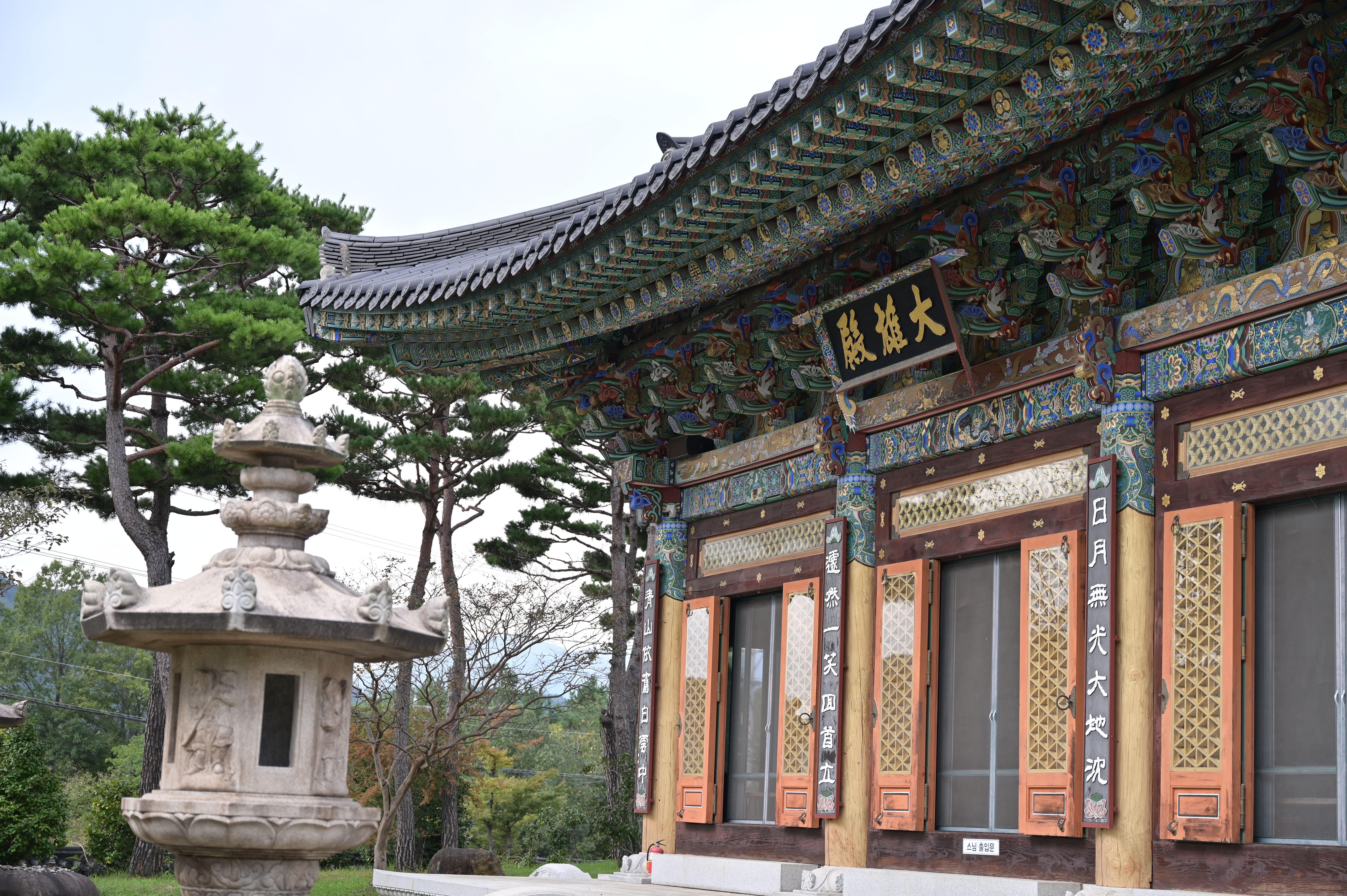
A templestay isn't just some tourist checkbox thing. You'll wake up at 3:30 AM for predawn prayers, eat vegetarian meals with monks, do actual chores, and genuinely disconnect from your phone. It costs between ₩50,000-80,000 per night — way cheaper than a hotel — and it's one of the most authentic Korean experiences you can have. Plus, many temples are stunning in the mountains outside Seoul.
The Easiest Way: Templestay.com (English-Friendly)
This is your friend. Visit www.templestay.com — it's the official English-language portal run by the Korean government's cultural organization. Seriously, use this first.
Popular temples on the site include Jogyesa (조계사) in central Seoul, Geumsunsa (금선사) near Daegu, and Bulguksa (불국사) in Gyeongju. Look for programs marked "English available" or "English-speaking guide."
Phone Booking (If the Website Doesn't Have What You Want)
If templestay.com doesn't have your ideal dates, you can call temples directly. I recommend:
Be prepared to give: your name, nationality, preferred dates, and whether you have dietary restrictions.
What to Expect (Practical Details)
The schedule: 3:30 AM wake-up → prayers → breakfast (usually rice, kimchi, banchan) → meditation or temple work → lunch → free time → evening prayers → dinner → 9 PM lights out.
What's included: Accommodation, 2-3 meals, tea ceremony, sometimes a temple tour or martial arts class. This is why ₩60,000 is such a steal.
What to bring: Comfortable clothes you don't mind getting dirty, closed-toe shoes, a light jacket even in summer (temples get cold at 3:30 AM, trust me).
Pro Tips from My Experience
My Honest Take
My first templestay was at Geumsunsa, and I was nervous the entire ride there. By the second morning, I was genuinely moved by the 4 AM Buddhist ceremony. My second time (Bulguksa) was even better because I knew what to expect.
This is genuinely one of the best ₩60,000 you'll spend in Korea.
Quick tip: If you're fluent in Korean, temples also offer more advanced meditation programs — but the templestay.com site handles English bookings, so don't overthink it.
Found this helpful? Buy us a coffee ☕
🎫 Book Tours & Activities
Skip the line — book tickets, tours, and experiences at the best price.
Browse Seoul Activities on Klook →We may earn a commission at no extra cost to you.
Daniel Kim
Expat Life Editor · Last updated 2026-06-23