How to Say Thank You in Korean: A Practical Guide for Seoul Expats

How to Say Thank You in Korean: A Practical Guide for Seoul Expats
After three years in Seoul, I've learned that knowing how to say thank you properly can genuinely change your daily interactions. It's one of those small things that locals really appreciate, and honestly, it makes life here so much smoother. Let me walk you through the different ways to express gratitude—because yes, there are several, and context matters.
The Basics: What You Need to Know
Korean has different levels of formality, and "thank you" is no exception. You can't just use one phrase everywhere—saying the casual version to your boss or an elderly person would be pretty awkward. But don't worry, I'll break it down for you.
The Most Useful Phrases
"Gamsahamnida" (감사합니다) — This is your go-to formal thank you. Use this with strangers, service workers, your landlord, or anyone in a professional setting. I say this to the convenience store workers on my street, the taxi drivers, and basically anyone providing a service. It's respectful without being overly stiff.
"Gomawoyo" (고마워요) — This is the polite-casual version. Perfect for colleagues, acquaintances, or people around your age. After three years, this is probably what I use most often with my Korean friends and coworkers at the office in Gangnam.
"Gomawo" (고마워) — The casual, friendly version for close friends only. Your Korean buddy group will use this with each other constantly. Don't use it with anyone older or in any formal situation—trust me on this.
"Kamsahae" (감사해) — Casual formal, rarely used but good to recognize. You might hear it in dramas or from younger people being slightly sarcastic.
When You Really Need to Express Gratitude
Sometimes a simple thank you isn't enough. If someone does something genuinely helpful—like your neighbor helping you move (which happened to me when I paid 150,000 KRW for movers from Zigbang's service partners)—you might say:
Bonus: Saying Thank You in Writing
If you're texting or messaging through KakaoTalk (the app literally everyone uses here), "감사합니다" works perfectly fine. I use this when thanking my landlord or someone from a Facebook expat group. You can also add emojis—Koreans love that.
A Real-Life Example
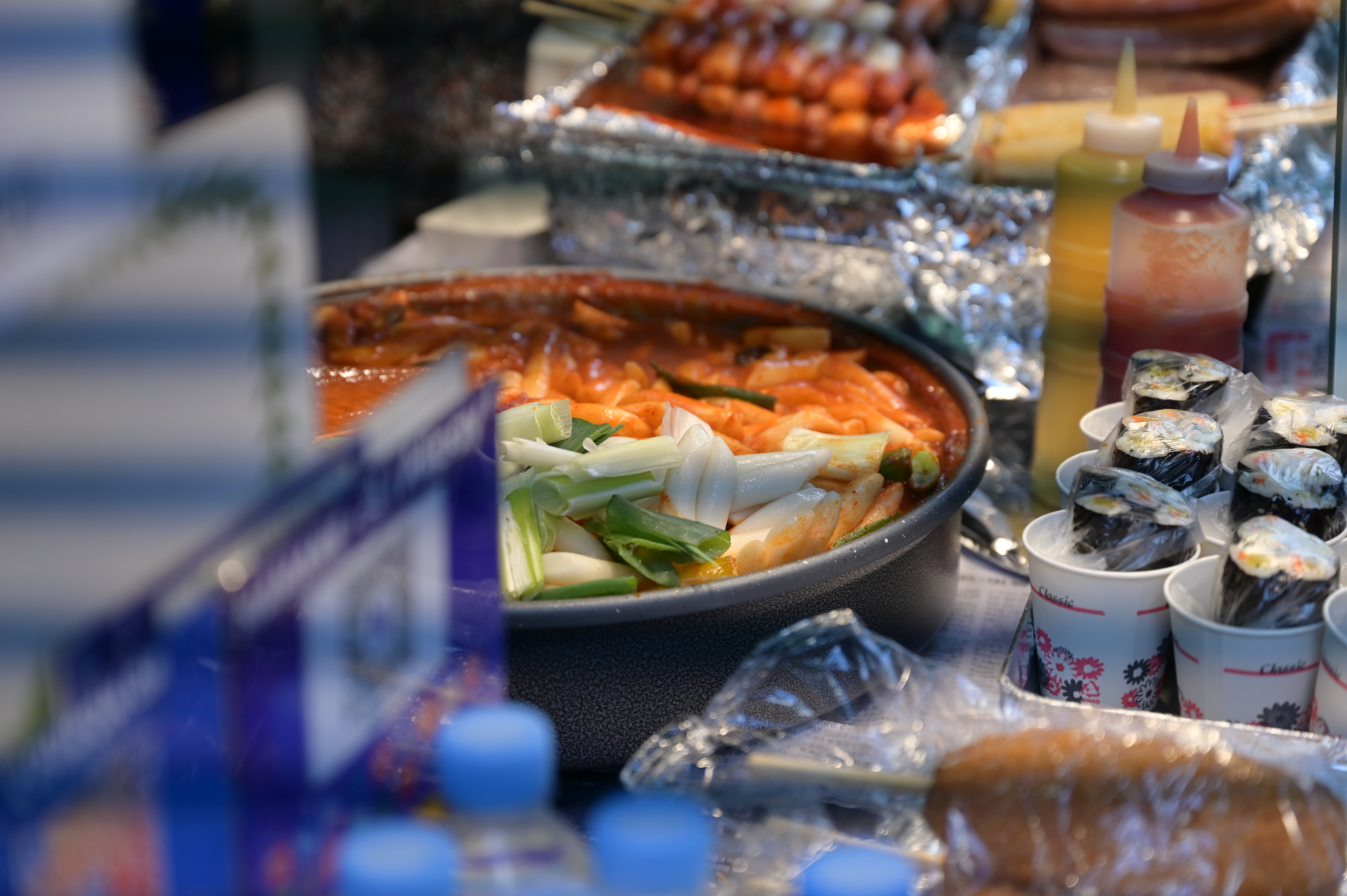
Last month, I ordered kimbap (김밥) delivery through Coupang Eats and the driver brought it 10 minutes early despite the snow. I said "gamsahamnida" with a genuine smile, and honestly, the interaction felt so much warmer than just nodding and closing the door.
Quick Tip
Don't overthink it too much. Koreans genuinely appreciate the effort you're making to speak their language, even if your accent isn't perfect. I still butcher my pronunciations sometimes, and people are always patient. The intention matters more than perfect execution—just pick the right formality level and you're golden.
Found this helpful? Buy us a coffee ☕
🎫 Explore Seoul Activities
Tours, tickets, and experiences — book at the best price with instant confirmation.
Browse on Klook →We may earn a small commission at no extra cost to you.
Daniel Kim
Expat Life Editor · Last updated 2026-06-23